
Finding Your Ideal Latin America CRO Partnerships: Navigating Success in Clinical Research
In the intricate and ever-evolving landscape of clinical research, establishing a robust partnership with a Contract Research Organization (CRO) in Latin America is not merely advantageous but essential for achieving unparalleled success. The region's unique regulatory frameworks, diverse patient populations, and emerging markets demand a CRO partner who embodies expertise, reliability, and an intimate understanding of local nuances. As I delve into the critical factors that define an ideal Latin America CRO partnership, I will share insights and practical strategies that empower you to make informed decisions, ensuring your clinical trials are executed with the highest standards of integrity and efficiency.
The Strategic Importance of Latin America CRO Partnerships
Latin America has rapidly ascended as a pivotal hub for clinical trials, driven by its rich genetic diversity, cost-effective infrastructure, and increasingly harmonized regulatory environment. However, the complexity of navigating multiple countries with distinct regulatory requirements, cultural differences, and logistical challenges necessitates a CRO partner with exceptional regional expertise.
A truly outstanding Latin America CRO partnership is characterized by:
Comprehensive Regulatory Knowledge: Mastery of country-specific regulations, ethical standards, and approval processes.
Operational Excellence: Proven track record in managing multi-center trials with seamless coordination.
Cultural Competence: Sensitivity to local customs and patient engagement strategies that enhance recruitment and retention.
Technological Integration: Utilization of cutting-edge data management and monitoring tools to ensure data integrity.
By prioritizing these attributes, you position your clinical research for success, mitigating risks and accelerating timelines.

Key Criteria for Selecting Your Latin America CRO Partner
Selecting the ideal CRO partner in Latin America demands a meticulous evaluation process that transcends superficial capabilities. It requires a deep dive into the organization's infrastructure, expertise, and alignment with your strategic objectives. Here are the paramount criteria to consider:
1. Regulatory Expertise and Compliance
The regulatory landscape in Latin America is multifaceted, with each country presenting unique challenges. An exemplary CRO partner must demonstrate:
In-depth knowledge of local regulatory agencies such as ANVISA in Brazil, COFEPRIS in Mexico, and INVIMA in Colombia.
Experience in navigating ethical committees and institutional review boards to expedite approvals.
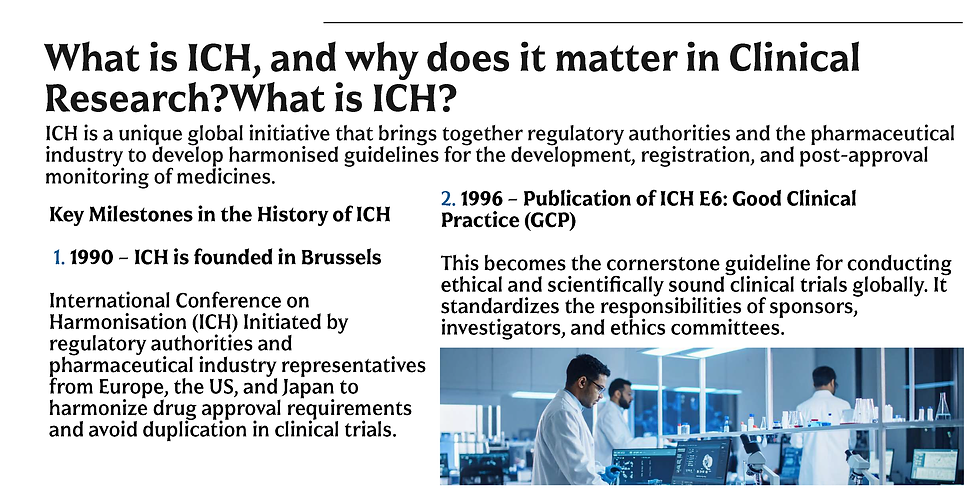
Proven compliance with international standards including ICH-GCP guidelines and FDA/EMA requirements.
2. Proven Operational Capacity
Operational excellence is non-negotiable. Evaluate the CRO’s:
Infrastructure and technological capabilities for data capture, monitoring, and reporting.
Experience managing diverse therapeutic areas and complex study designs.
Ability to recruit and retain patients through culturally tailored strategies.
3. Local Presence and Network
A CRO with a strong local footprint can leverage established relationships with investigators, hospitals, and regulatory bodies, facilitating smoother trial execution. Consider:
Number and location of regional offices.
Depth of investigator networks.
Local staffing and training programs.
4. Quality Assurance and Risk Management
Ensuring data integrity and patient safety is paramount. The ideal partner will have:
Robust quality management systems.
Proactive risk assessment and mitigation plans.
Transparent audit trails and reporting mechanisms.
5. Financial Stability and Transparency
Long-term partnerships require financial reliability. Assess:
Financial health and sustainability.
Transparent pricing models and contract terms.
Flexibility in adapting to project scope changes.
By rigorously applying these criteria, you can confidently identify a CRO partner who not only meets but exceeds your expectations.
Operational Challenges and How to Overcome Them
Despite the promising opportunities, conducting clinical trials in Latin America is fraught with operational challenges that can jeopardize timelines and data quality. Recognizing these obstacles and proactively addressing them is crucial.
Regulatory Delays and Variability
Regulatory approval timelines can vary significantly across countries, often causing bottlenecks. To mitigate this:
Engage your CRO partner early in the protocol development phase.
Utilize their expertise to prepare comprehensive and compliant submissions.
Implement parallel submission strategies where feasible.
Patient Recruitment and Retention
Recruitment can be hindered by cultural barriers, mistrust, and logistical issues. Effective strategies include:
Designing culturally sensitive patient engagement campaigns.
Leveraging local community leaders and healthcare providers.
Offering flexible visit schedules and transportation support.
Data Management and Quality Control
Ensuring consistent data quality across multiple sites requires:
Standardized training for site personnel.
Real-time data monitoring and query resolution.
Adoption of electronic data capture (EDC) systems with audit capabilities.
Logistics and Supply Chain Complexities
Managing investigational product distribution and sample handling demands:
Detailed logistical planning with contingency options.
Collaboration with local couriers familiar with regulatory requirements.
Temperature-controlled storage and transport solutions.
By partnering with a CRO that anticipates and expertly navigates these challenges, you safeguard the integrity and success of your clinical trials.

Leveraging Technology and Innovation in Latin America CRO Partnerships
In an era where digital transformation is reshaping clinical research, the integration of advanced technologies within Latin America CRO partnerships is indispensable. The most distinguished CROs harness innovation to enhance efficiency, accuracy, and transparency.
Electronic Data Capture and Remote Monitoring
The adoption of EDC systems enables:
Faster data entry and validation.
Reduction of transcription errors.
Remote monitoring capabilities that reduce site visits and costs.
Artificial Intelligence and Predictive Analytics
AI-driven tools can:
Optimize patient recruitment by analyzing demographic and epidemiological data.
Predict potential risks and protocol deviations.
Enhance data cleaning and anomaly detection.
Telemedicine and Decentralized Trials
The rise of telemedicine facilitates:
Remote patient visits, increasing accessibility.
Real-time patient monitoring through wearable devices.
Greater patient convenience and adherence.
Blockchain for Data Security
Blockchain technology offers:
Immutable audit trails.
Enhanced data security and transparency.
Streamlined regulatory compliance.
By selecting a CRO partner that embraces these technological advancements, you position your clinical research at the forefront of innovation, ensuring superior outcomes.
Building a Long-Term, Trustworthy Partnership
The foundation of a successful Latin America CRO partnership lies in mutual trust, transparency, and shared commitment to excellence. To cultivate such a relationship, consider the following best practices:
Establish clear communication channels with regular updates and feedback loops.
Define shared goals and performance metrics to align expectations.
Foster cultural understanding and respect through joint training and team-building activities.
Engage in continuous improvement initiatives based on lessons learned.
Ensure contractual clarity with well-defined roles, responsibilities, and dispute resolution mechanisms.
By investing in these relational aspects, you transform a transactional engagement into a strategic alliance that drives sustained success.
For organizations seeking to find cro partner for latin america, leveraging these insights and criteria will prove invaluable in identifying a partner capable of navigating the region’s complexities while delivering robust, reliable clinical data.
Embracing the Future of Clinical Research in Latin America
As the clinical research landscape in Latin America continues to evolve, the imperative to forge partnerships with CROs that embody excellence, innovation, and regional expertise becomes ever more pronounced. The convergence of regulatory harmonization, technological advancements, and growing patient populations presents unprecedented opportunities for groundbreaking studies that can transform healthcare outcomes.
By meticulously selecting a CRO partner who not only understands but anticipates the multifaceted challenges of the region, you empower your research endeavors to achieve the highest standards of quality and efficiency. This strategic collaboration will not only accelerate your clinical trials but also contribute to the advancement of medical science in Latin America and beyond.
In this dynamic environment, the pursuit of an ideal Latin America CRO partnership is not a mere operational decision but a strategic imperative that defines the trajectory of your clinical research success.


Comments